
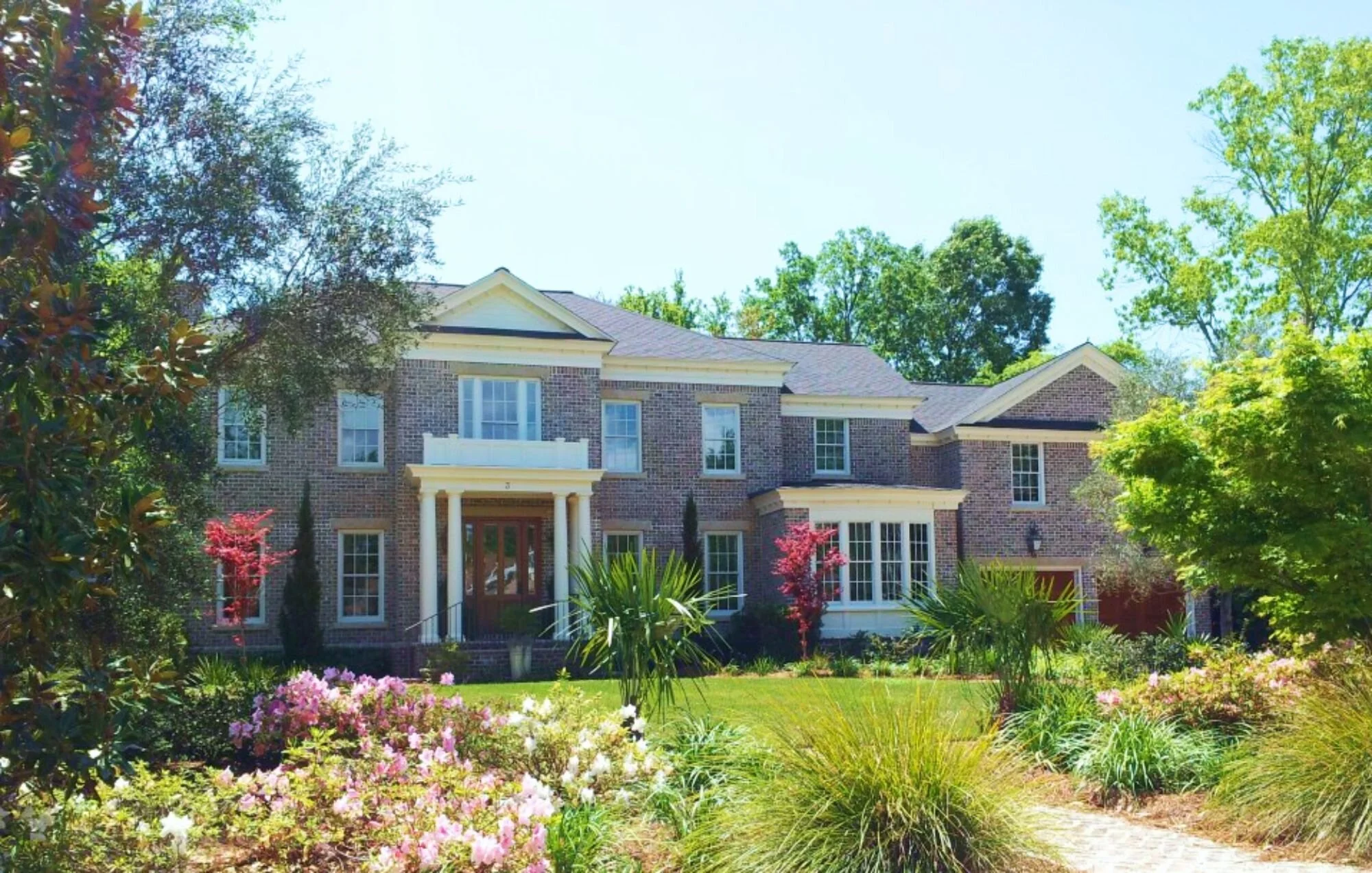
One of the most common questions homeowners ask is, “When should I repaint my home’s exterior?” The answer depends on several factors, including the quality of your previous paint job, the materials used, Charleston’s unique climate, and the level of maintenance you’ve provided. In this comprehensive guide, we’ll explore everything you need to know about exterior paint longevity in Charleston and how to maximize the life of your paint job.
Understanding Charleston’s Climate Impact on Exterior Paint
Charleston’s humid subtropical climate presents unique challenges for exterior paint. Our combination of high humidity, salt air (particularly near the coast), intense UV exposure, and temperature fluctuations can accelerate paint deterioration compared to other regions.
Humidity and Moisture
Charleston’s average humidity levels exceed 70% year-round, with summer months often reaching 80-90%. This moisture can cause paint to peel, blister, and deteriorate more quickly than in drier climates. Proper surface preparation and high-quality paint formulations are essential for combating these effects.
Salt Air Corrosion
If you live near the coast or in areas affected by salt spray, your exterior paint faces additional challenges. Salt air accelerates corrosion of metal components and can damage paint coatings. Homes within 5 miles of the ocean typically experience faster paint deterioration.
UV Exposure
Charleston’s intense sun exposure, particularly on south and west-facing walls, can cause paint to fade and break down more quickly. UV rays degrade the paint binder, leading to chalking and loss of color vibrancy.
Temperature Fluctuations
Charleston experiences significant temperature variations between seasons and even between day and night. These fluctuations cause expansion and contraction of building materials, which can stress paint coatings and lead to cracking and peeling.
Typical Exterior Paint Lifespan in Charleston
Under normal conditions with quality paint and proper application, you can expect exterior paint to last:
- 5-7 years: Budget-quality paint in challenging exposures (south/west-facing, near coast)
- 7-10 years: Mid-range quality paint with good maintenance
- 10-15 years: Premium quality paint (Benjamin Moore, Sherwin Williams, PPG) with excellent maintenance
- 15+ years: Premium paint with exceptional maintenance and favorable exposure
These timelines assume proper surface preparation, professional application, and regular maintenance. Many factors can extend or shorten these estimates.
Signs Your Home Needs Exterior Repainting
Rather than relying solely on time, watch for these signs that indicate your home needs repainting:
Peeling and Blistering Paint
Peeling paint is the most obvious sign that repainting is needed. Blistering occurs when moisture gets trapped under the paint coating. Both indicate that the paint is no longer protecting your home’s exterior. If you notice peeling or blistering, don’t delay — exposed wood can quickly develop rot and other damage.
Fading and Color Loss
Fading is particularly noticeable on south and west-facing walls. While fading doesn’t necessarily mean the paint is failing to protect your home, it does indicate that UV degradation is occurring. If you’re concerned about appearance, repainting may be warranted.
Chalking
Chalking occurs when paint begins to break down and form a fine powder on the surface. You can test for chalking by rubbing a dark cloth on the painted surface. If chalk-like residue comes off, your paint is deteriorating and should be replaced soon.
Cracking and Alligatoring
Fine cracks or an alligator-skin pattern indicate that the paint coating is failing. This often results from paint applied over inadequately prepared surfaces or from extreme temperature fluctuations. Cracked paint allows moisture to penetrate, leading to wood damage.
Mold and Mildew Growth
While mold and mildew growth doesn’t necessarily mean the paint itself is failing, it indicates moisture problems. If cleaning doesn’t resolve the issue, repainting with mold-resistant paint may be necessary. Our Exterior Painting Services include assessment of moisture issues and recommendations for mold-resistant coatings.
Wood Damage or Rot
If you notice soft spots, wood damage, or rot, these areas need to be repaired before repainting. Extensive wood damage may require professional assessment and repair before painting can proceed.
Factors That Affect Paint Longevity
Several factors influence how long your exterior paint will last:
Paint Quality
Premium paint formulations from Benjamin Moore, Sherwin Williams, and PPG are specifically engineered to resist moisture, UV damage, and the other challenges presented by Charleston’s climate. While premium paints cost more initially, they typically last significantly longer than budget options, making them more cost-effective over time.
Surface Preparation
Proper surface preparation is crucial for paint longevity. This includes:
- Pressure washing to remove dirt, mold, and loose paint
- Scraping off peeling paint
- Filling cracks and gaps
- Priming bare wood
- Caulking joints and transitions
Inadequate preparation is one of the primary reasons paint fails prematurely. Our team takes surface preparation seriously, spending significant time on this critical step.
Application Technique
Professional application techniques ensure proper paint coverage, thickness, and adhesion. Improper application — such as painting in unsuitable weather conditions, applying paint too thickly or too thinly, or failing to follow manufacturer guidelines — can significantly reduce paint longevity.
Climate Exposure
South and west-facing walls receive more intense UV exposure and experience greater temperature fluctuations. These areas typically need repainting sooner than north and east-facing walls. Similarly, areas near the coast experience faster deterioration due to salt spray.
Maintenance
Regular maintenance can significantly extend the life of your exterior paint. This includes:
- Cleaning your home’s exterior annually to remove dirt and mold
- Addressing any peeling or damaged areas promptly
- Ensuring proper drainage to minimize moisture exposure
- Trimming vegetation to improve air circulation
Preparing Your Home for Exterior Repainting
When it’s time to repaint, proper preparation is essential. Here’s what the process typically involves:
Inspection and Assessment
A thorough inspection identifies any underlying issues that need to be addressed before painting. This includes checking for wood damage, moisture problems, and areas requiring repair.
Pressure Washing
Pressure washing removes dirt, mold, mildew, and loose paint. This step is crucial for ensuring good paint adhesion. Our team uses appropriate pressure levels to clean effectively without damaging your home’s exterior.
Scraping and Sanding
Loose and peeling paint must be removed. Depending on the extent of peeling, this may involve scraping or sanding. All surfaces must be smooth and sound before new paint is applied.
Repairs
Any wood damage or rot must be repaired. This may involve replacing damaged boards, filling holes or cracks, or addressing structural issues.
Priming
Bare wood and any areas where the original finish has been compromised should be primed before painting. Primer provides better adhesion and coverage than paint alone.
Painting
Once surfaces are properly prepared, paint is applied according to manufacturer specifications. This typically involves two coats for optimal coverage and durability.
Learn more about preparing your Charleston home for exterior painting.
Maximizing Your Paint Job’s Lifespan
To get the most from your exterior paint investment:
- Choose Quality Paint: Invest in premium paint formulations designed for your specific climate and exposure conditions.
- Hire Professionals: Professional painters have the expertise and equipment to ensure proper preparation and application. Jason Bean at Charleston Paint Masters has over 25 years of hands-on experience with Charleston’s unique challenges.
- Maintain Your Paint: Regular cleaning and prompt attention to any damage can significantly extend your paint’s life.
- Address Moisture Issues: Ensure proper drainage and ventilation to minimize moisture exposure.
- Monitor Your Paint: Regularly inspect your home’s exterior for signs of paint failure. Catching problems early allows for targeted repairs rather than full repainting.
Exterior Painting Services in Charleston
Whether your home needs a complete exterior repaint or targeted repairs, Charleston Paint Masters can help. Our Exterior Painting Services include:
- Comprehensive assessment of your home’s exterior condition
- Professional surface preparation
- Premium paint application
- Attention to detail and craftsmanship
- 2-year warranty on all labor and materials
We also offer specialized services including deck staining and pressure washing.
Conclusion
The frequency with which you need to repaint your home’s exterior depends on multiple factors, including paint quality, application technique, maintenance, and Charleston’s unique climate. While typical exterior paint lasts 7-10 years in our region, premium paint with proper maintenance can last 15+ years.
Rather than relying on a fixed timeline, watch for signs of paint failure and address them promptly. Regular maintenance and professional care will help ensure that your home’s exterior remains beautiful and well-protected for years to come.
Ready to refresh your home’s exterior? Contact Charleston Paint Masters for a free inspection and estimate. Our experienced team can assess your current paint and recommend the best approach for your specific situation.
References
- National Association of Home Builders (NAHB) Exterior Paint Guidelines
- Benjamin Moore Technical Resources
- Sherwin Williams Climate and Paint Performance Data
- Industry Guidelines for Moisture and Paint Durability
Frequently Asked Questions
Q: How can I tell if my exterior paint is failing?
A: Look for peeling, blistering, cracking, chalking, or mold growth. These are all signs that repainting may be needed. You can test for chalking by rubbing a dark cloth on the surface.
Q: What’s the best time of year to paint your home’s exterior in Charleston?
A: Spring and fall are ideal, when temperatures are moderate and humidity is relatively lower. Avoid painting during summer heat or winter cold, as these can affect paint application and curing.
Q: How much does exterior painting cost in Charleston?
A: Costs vary based on your home’s size, condition, paint quality, and specific needs. Contact us for a free estimate.
Q: Do you offer pressure washing services?
A: Yes! Our pressure washing service is an excellent way to clean your home’s exterior and prepare it for painting.
Call to Action
Don’t let your home’s exterior deteriorate. Contact Charleston Paint Masters today for a free inspection and estimate. Our experienced team can assess your current paint and recommend the best approach for keeping your home beautiful and protected.
Call us at 843-224-0085 or request a free estimate online.
