
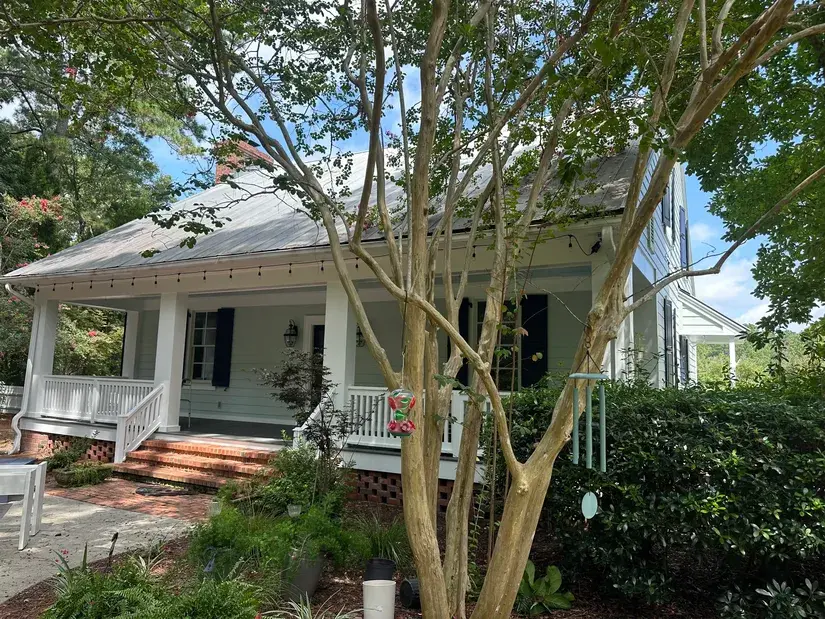
The Practical Case for Bundling Interior and Exterior Work
Setup and mobilization happen once, not repeatedly. Every painting project carries overhead: moving or covering furniture, protecting floors and landscaping, setting up equipment, prepping surfaces. When interior and exterior work are combined into one project, a lot of that logistical overhead happens a single time instead of being repeated across multiple separate visits throughout the year.
One crew, one coordinated timeline. Scheduling a single larger project tends to be simpler than coordinating several smaller ones spread across different seasons, particularly if you’re working around your own schedule, a family event, or a target date like getting a property ready to sell or list.
Often a more favorable overall price. Because a whole-home project reduces the repeated setup and mobilization costs that come with treating each project separately, the combined price for bundled work is frequently more favorable than booking the same total scope as multiple standalone projects spread across the year.
Color coordination across the whole property. Planning interior and exterior color choices together, rather than room by room or project by project, tends to produce a more cohesive result. Trim colors, for instance, often carry through from exterior to interior in a well-planned whole-home project.
What a Whole Home Project Typically Covers
A full interior and exterior painting project usually includes some combination of the following, scoped to what a specific home actually needs:
Interior Spaces
- Living rooms, often the largest and most visible interior space in a whole-home project
- Bedrooms, where color choice tends to be more personal and varied room to room
- Bathrooms, which require moisture-resistant products given the humidity these rooms generate
- Kitchens, where durability and washability matter more than in most other rooms
Exterior Work
Full exterior house painting, covering siding, trim, and the architectural details that define a home’s curb appeal.
Prep and Specialty Work
Many whole-home projects also uncover or address issues that need attention along the way, most commonly drywall repair for cracks, dings, or water stains that have built up over time. Some homeowners also choose to fold in specialty work like cabinet painting or a statement accent wall at the same time, since it’s often easier to plan a cohesive palette across an entire home when you’re already thinking about color holistically rather than room by room.
When Bundling Makes the Most Sense
A combined whole-home project isn’t the right call for every situation. It tends to make the most sense when:
- You’re preparing to sell and want the entire property to present consistently and look fresh from curb to closet
- You’ve recently moved in and want to make the home feel genuinely yours before fully settling in, rather than living around a to-do list for years
- Multiple rooms and the exterior are all overdue at once, rather than one single urgent problem area
- You want to minimize disruption to your routine by having the work completed in one coordinated project rather than having painters in and around the house repeatedly over an extended period
- You’re doing a broader renovation and painting naturally fits into a larger scope of work already underway
If you’ve only got one urgent need right now, a peeling exterior or one outdated room, it’s completely reasonable to handle that on its own rather than waiting to bundle it with other work. Bundling is about efficiency when there’s already a broader list of painting needs on your radar, not a requirement for every project regardless of scope.
How a Whole Home Project Is Typically Scoped
A well-run whole-home painting project starts with a comprehensive walkthrough of the entire property, inside and out, rather than a quick estimate based on square footage alone. This walkthrough should cover:
- Room-by-room interior assessment, noting condition, existing color, and any repair needs
- Full exterior assessment, including siding material, trim condition, and any areas of concern
- Color planning across the whole property, ensuring interior and exterior choices work together where relevant
- A realistic project timeline, accounting for the larger scope compared to a single-room or single-side project
- A complete, itemized scope of work, so there’s clarity on exactly what’s included before anything begins
What Affects the Cost of a Whole Home Project
Rather than quote a number that varies enormously based on home size and condition, it’s more useful to understand the actual cost drivers:
- Total square footage, both interior and exterior, the most fundamental driver of material and labor
- Number of rooms and their individual condition, since rooms needing more extensive prep or repair take longer
- Exterior siding material and condition, since vinyl, fiber cement, and wood all involve different prep requirements
- Ceiling heights and architectural complexity, since taller ceilings, extensive trim, or unusual layouts add time
- Color changes, since a dramatic color change (light to dark, or vice versa) often requires additional coats compared to a similar-tone refresh
- Any prep or repair work uncovered, including drywall repair, wood rot, or other issues found during the walkthrough
Because whole-home projects vary so widely based on square footage and condition, an accurate cost estimate requires an in-person walkthrough rather than a generic quote.
Whole Home Painting in Older vs. Newer Charleston Homes
Homes in established neighborhoods like Mount Pleasant or historic properties downtown often come with more architectural detail, original trim work, and sometimes wood siding that requires more careful prep than newer construction. Homes in newer developments around Summerville and West Ashley more often feature vinyl or fiber cement siding and more standardized floor plans, which can streamline parts of the estimating and planning process, though every whole-home project still deserves its own individual walkthrough regardless of the home’s age or construction type.
What a Realistic Timeline Looks Like
One of the most common questions homeowners have going into a whole-home project is simply how long it will actually take. While every project varies based on square footage and scope, understanding the general phases helps set realistic expectations.
The estimate and planning phase typically involves a full walkthrough, a detailed scope of work, and color selection, which can take anywhere from a single visit to a couple of weeks depending on how quickly color decisions are finalized, especially for a whole-home palette involving multiple rooms and the exterior.
The prep phase often takes longer than homeowners expect, particularly if drywall repair, wallpaper removal, or extensive exterior scraping and priming are involved. This phase is where the foundation for a lasting result gets laid, and rushing it tends to show up as problems later.
The application phase is usually the most visually satisfying part, as rooms and exterior sections are transformed one at a time, but it’s built on top of whatever time the prep phase required.
Final detail work and walkthrough wraps up the project, addressing any touch-ups and ensuring the finished result matches the agreed scope.
For a typical single-family home, a full interior and exterior project often spans one to a few weeks of active work, though this varies considerably with home size, condition, and the extent of any repairs uncovered along the way.
Living in Your Home During a Whole-Home Project
A common concern is whether a whole-home project means displacing the household for an extended period. In most cases, it doesn’t. Professional crews typically work through a home methodically, room by room and side by side, allowing residents to continue living in unaffected areas throughout the project. Kitchens and bathrooms, being higher-use spaces, are often scheduled thoughtfully to minimize disruption to daily routines, and clear communication about the day-to-day schedule helps homeowners plan around the work rather than being surprised by it.
Budget-Conscious Alternatives to a Full Bundle
Not every homeowner is in a position to tackle interior and exterior work simultaneously, and that’s a completely reasonable position to be in. A few alternatives worth considering:
Phased bundling. Rather than a single all-at-once project, some homeowners choose to bundle in phases, exterior this season, interior common areas next, for example, which still captures some of the efficiency benefits of coordinated planning and color strategy without requiring the full budget upfront.
Prioritizing by visibility and urgency. If a full whole-home project isn’t feasible right now, focusing first on the areas with the most urgent need (a failing exterior finish, for instance) or the highest visibility (main living areas, if you entertain often) can be a reasonable way to sequence the work over time.
Getting a comprehensive estimate even if you’re phasing the work. Even if you plan to spread a whole-home project across a couple of years, having a full walkthrough and comprehensive scope done upfront helps ensure later phases are planned with the earlier work in mind, particularly for color coordination.
Choosing the Right Contractor for a Larger Project
A whole-home project is a bigger commitment than a single room, which makes a few factors worth paying extra attention to during the hiring process:
- A detailed, written scope of work covering every room and exterior area included, not a vague overall estimate
- A realistic timeline discussion, including how the contractor plans to sequence the work
- Clarity on who’s actually doing the work, since a larger project often involves a crew working across multiple areas simultaneously, which makes direct employment and consistent training especially valuable
- A clear communication plan for the duration of the project, so you’re not left guessing about progress or schedule changes
Frequently Asked Questions
Q: How long does a whole home painting project typically take?
A: This depends heavily on square footage and scope, but a full interior and exterior project on an average-sized home generally takes longer than a single-room or single-side project, often spanning one to a few weeks depending on the total scope and any repair work involved.
Q: Do I need to move out of my home during a whole-home painting project?
A: Not typically. Most whole-home projects are scheduled to allow homeowners to continue living in the property, with work proceeding room by room and side by side rather than requiring the whole home to be vacated at once.
Q: Should I choose my interior and exterior colors at the same time?
A: It’s often helpful to at least consider them together, even if the two color schemes end up quite different, since elements like trim color frequently carry through from exterior to interior and benefit from being planned cohesively.
Q: Is a whole home project actually cheaper than doing rooms separately over time?
A: Often, yes, due to the reduced repeated setup and mobilization costs, though the total cost still depends heavily on the specific scope involved. A direct comparison quote is the most reliable way to know for a specific property.
Q: What should I prioritize if I can’t do the whole home at once?
A: This depends on your goals. If you’re preparing to sell, exterior curb appeal and the most visible interior spaces (living areas, kitchen) tend to matter most. If you’re settling into a home for the long term, prioritizing the rooms and areas that bother you daily often makes the most sense.
Q: Can I still get a whole-home discount if I phase the project over time?
A: This varies by contractor and specific circumstances, but discussing your full intended scope upfront, even if you plan to phase it, often allows for better planning and sometimes more favorable overall terms than treating each phase as a completely separate, unrelated project.
Q: How far in advance should I book a whole-home project?
A: Given the larger scope and coordination involved, it’s generally worth reaching out several weeks to a couple of months ahead of your ideal start date, particularly during busier seasons, to ensure adequate time for the walkthrough, planning, and scheduling process.
How Whole-Home Color Planning Actually Works
One of the more underappreciated advantages of a bundled project is the ability to plan color decisions holistically rather than room by room. In practice, this looks like a few specific considerations:
Establishing a whole-home trim color first. Trim often carries the same or a closely coordinated color throughout a home, both inside and out, which creates visual continuity as you move from room to room and from interior to exterior. Deciding this early gives every other color decision a stable reference point.
Thinking about sightlines between rooms. In many floor plans, one room is visible from another, an open-concept living and dining area, for instance, or a hallway connecting several bedrooms. Planning colors with these sightlines in mind avoids jarring transitions that become obvious only after the work is finished.
Considering how exterior color influences interior light. A significant exterior color change, particularly involving trim or shutter colors near windows, can subtly affect how light reads inside adjacent rooms, which is worth factoring into interior color decisions made at the same time.
Deciding which spaces should stand out vs. blend in. A whole-home project is an opportunity to be intentional about which spaces (an entryway, a primary bedroom, a home office) get a bolder, more distinctive color choice versus which spaces benefit from a more neutral, cohesive palette that ties the home together.
Common Homeowner Questions During the Planning Phase
Beyond color, a few other planning questions come up often enough to be worth addressing directly:
Q: Should I paint before or after other renovation work?
A: If you’re planning flooring, cabinetry, or other renovation work alongside painting, sequencing matters. In general, painting typically happens after major construction-type work (to avoid damage to fresh paint) but before final flooring installation in many cases, to avoid overspray or drips on new floors. A contractor coordinating a whole-home project can help sequence this appropriately given your specific renovation scope.
Q: What happens if I want to add rooms to the scope after the project has started?
A: This is worth discussing upfront during the estimate process. Most contractors can accommodate scope changes, but building in this flexibility during initial planning, rather than as a surprise mid-project, leads to a smoother experience and clearer cost expectations.
Q: How much say do I have in the day-to-day schedule?
A: A good contractor will work with your household’s specific needs, whether that’s avoiding certain days, working around a home office schedule, or sequencing rooms in a particular order that matters to your family’s routine.
Planning a Project That Covers It All
Whether you’re in Mount Pleasant, Summerville, or anywhere else in the greater Charleston area, a whole-home project starts with an honest walkthrough of what actually needs attention, inside and out, so you get a realistic scope and timeline before any work begins.
Our whole home painting service handles projects like this from start to finish, coordinating interior and exterior work so it comes together as one cohesive result rather than a patchwork of separate jobs completed at different times.
Thinking about tackling it all at once? Request a free estimate today and we’ll help you figure out the right scope for your home.
